Building a Seed Supply for the Oregon Coast
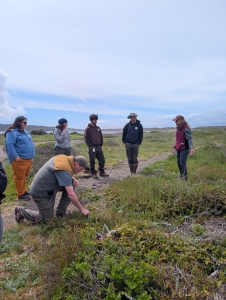
By Kate Wellons, May 2026
In the Willamette Valley, restoration practitioners are fortunate to have an abundance of options when it comes to commercially available native grass and forb seed, and particularly ready-made native seed mixes, for restoring native prairie habitats (see Heritage, Northwest Meadowscapes, Pacific Northwest Natives, ProTime, River Refuge, Silver Falls Seed, Steele Acres, and Willamette Valley Native Plant Partnership). There are still gaps in the market and limited supplies for certain species, but for anyone planning a restoration project in the valley, there is seed available.
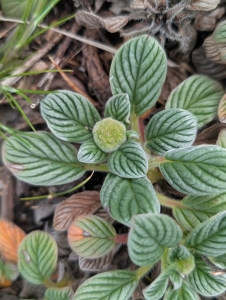
For practitioners and landowners on the Oregon Coast looking for genetically and ecologically appropriate native seed, it’s a different story. Many groups conducting restoration in coastal habitats end up turning to Willamette Valley sources to find the seed they need because there just aren’t coastal genetics available. Members of the Coastal Native Seed Partnership (CNSP) have been working to change that over the last few years, but with the diversity of habitats being restored and the many barriers to long-term seed needs forecasting in this region, availability has remained limited for many practitioners. In 2025, the CNSP received an engagement grant from the Oregon Watershed Enhancement Board (OWEB) to develop more resources for restoration practitioners and native seed growers, focusing especially on developing generalized native seed mixes for coastal habitats.
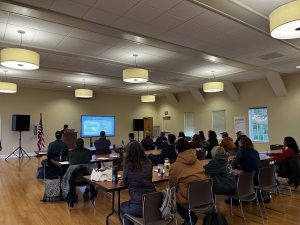
That’s why coastal restoration partners gathered in Bandon this April and in Tillamook last November – to share resources and information about what’s worked, and what hasn’t, in coastal restoration efforts, and to discuss what species need to be included in coastal seed mixes.

About
Restoration
Research
Education
Get Involved
Contact
Main Office:
4950 SW Hout Street
Corvallis, OR 97333-9598
541-753-3099
info@appliedeco.org
Southwest Office:
1202 Parkway Dr. Suite B
Santa Fe, NM 87507
(505) 490-4910
swprogram@appliedeco.org