By Matt Bahm, Steve Walters, David Cappaert, Lauren Merrill, and Annie JoliffAll photos by David Cappaert
June 2020
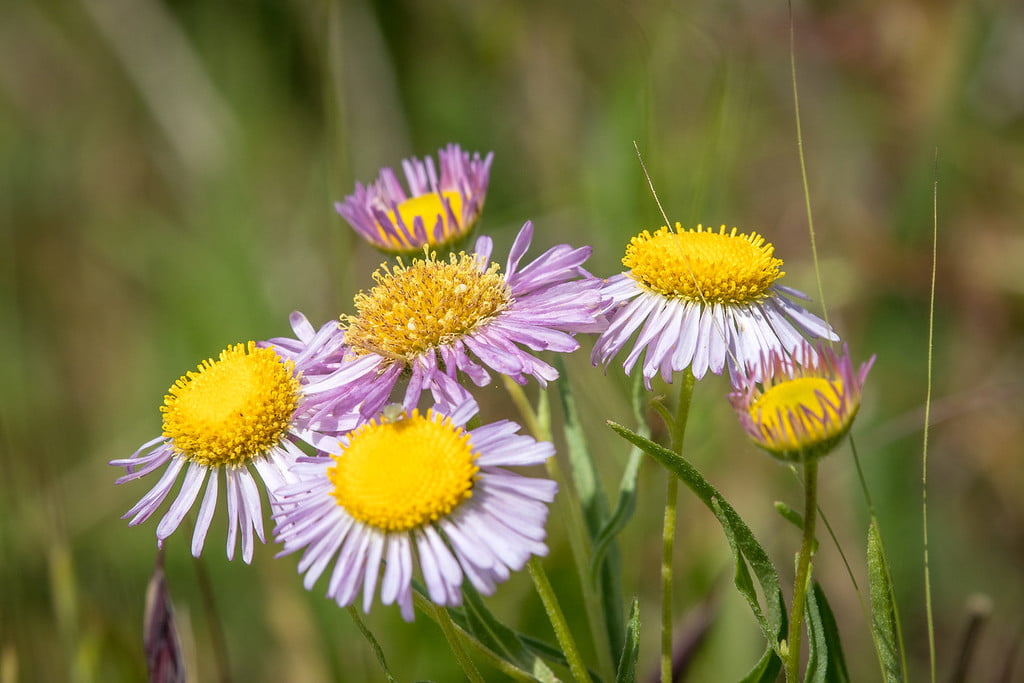
Willamette daisy (Erigeron decumbens) was once found throughout the Willamette Valley in northwestern Oregon, but is now restricted to only a few scattered remnant populations. Conservation efforts have increased the amount of Willamette daisy on the landscape, but there is still much to learn to continue to improve restoration efforts. One of the issues facing the species is low seed production in populations, likely caused from the decrease in size and isolation of remaining populations. IAE has partnered with the Army Corps of Engineers, Eugene District to determine if crossing different populations of Willamette daisy will increase the amount of viable seed produced.
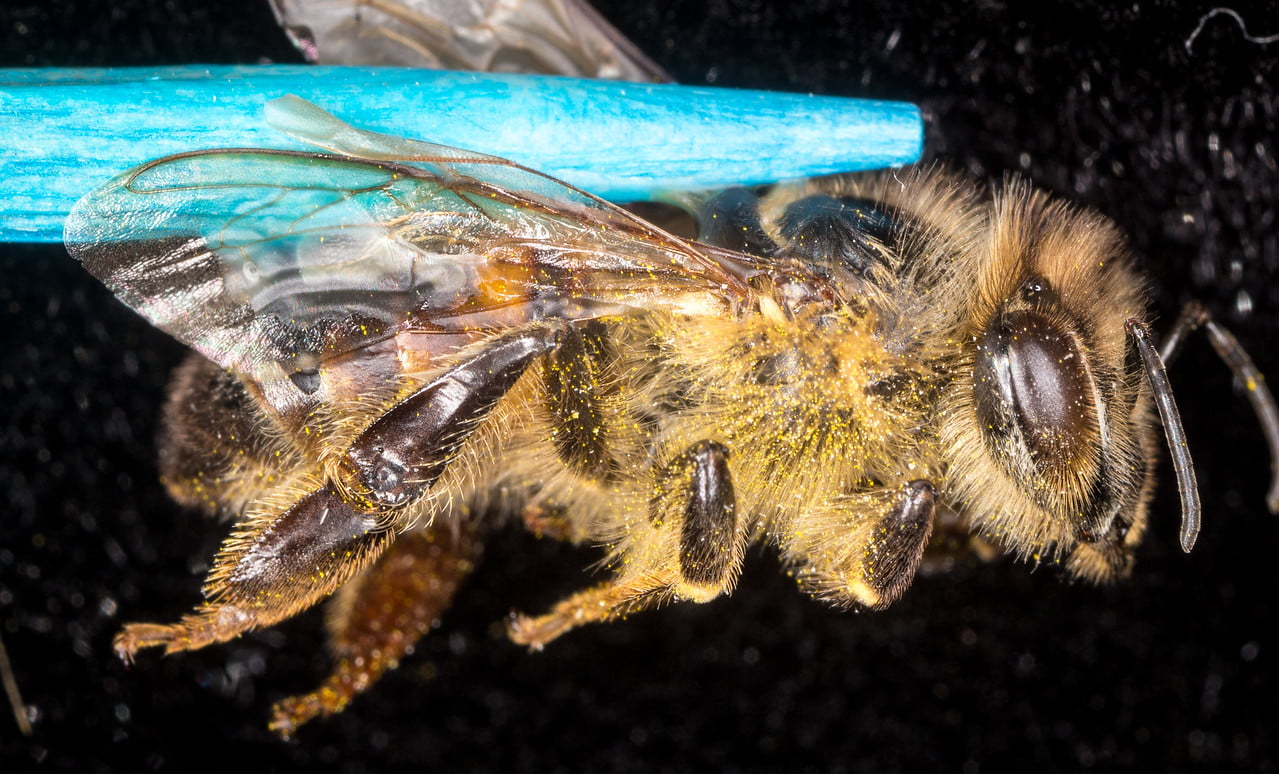
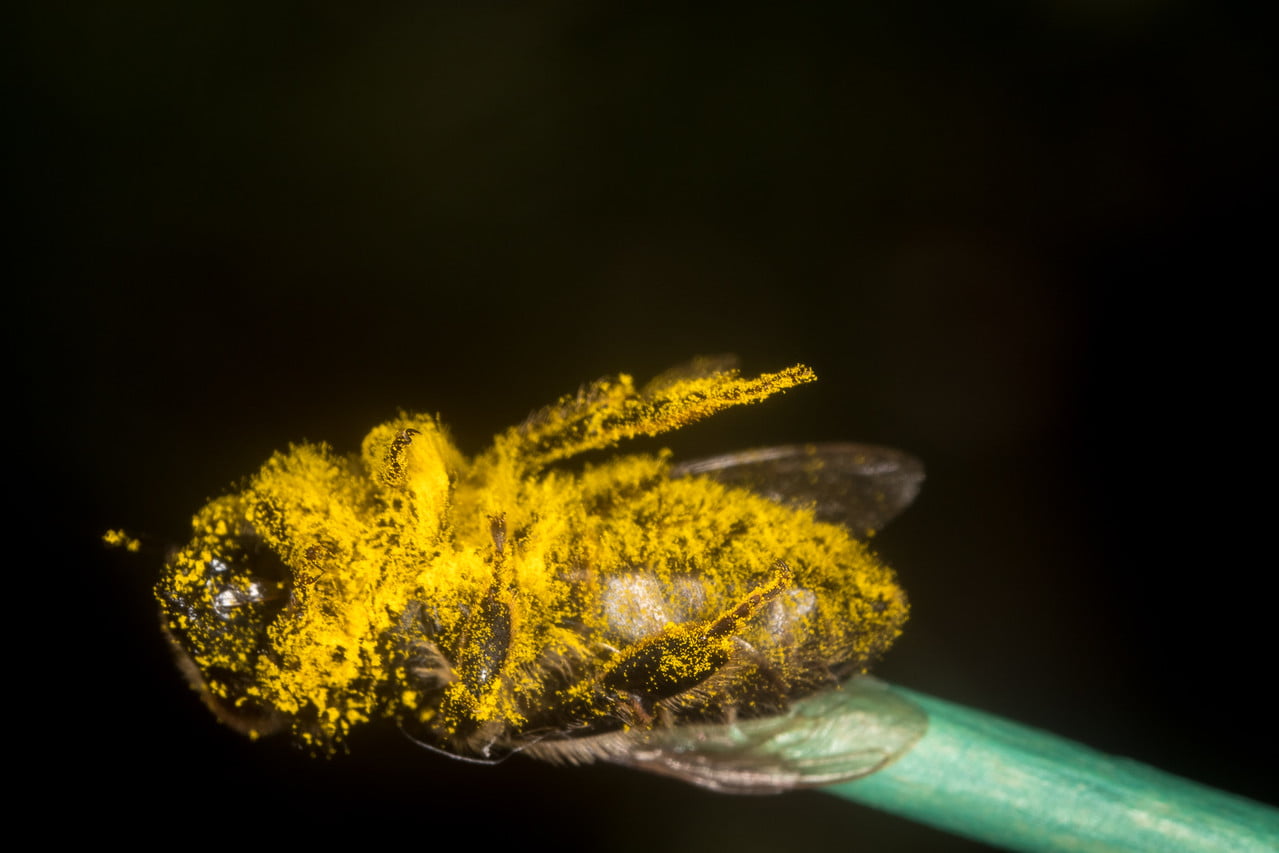
We designed a greenhouse experiment to help answer this question that involves growing Willamette daisy from different populations and conducting cross-pollination of the populations. This will help us determine if using pollen from different populations results in more viable seed than simply having pollen from the same population. Often in these types of experiments, scientists will use small paintbrushes to move pollen. While this can work, it isn’t always effective at moving large amounts of pollen and since we wanted to be sure that we were moving as much pollen as possible we wanted to try another method. Since we knew that pollinators are obviously very good at collecting large amounts of pollen, we decided that we should go with nature’s well-designed solution: the honey bee (Apis mellifera).